Token Synchronization Layers Mitigating Approval Delays for Subscription Merchants Routing Recurring Mobile Charges Through Multiple International Acquirers
Quinn Schmidt · Oct 14, 2026
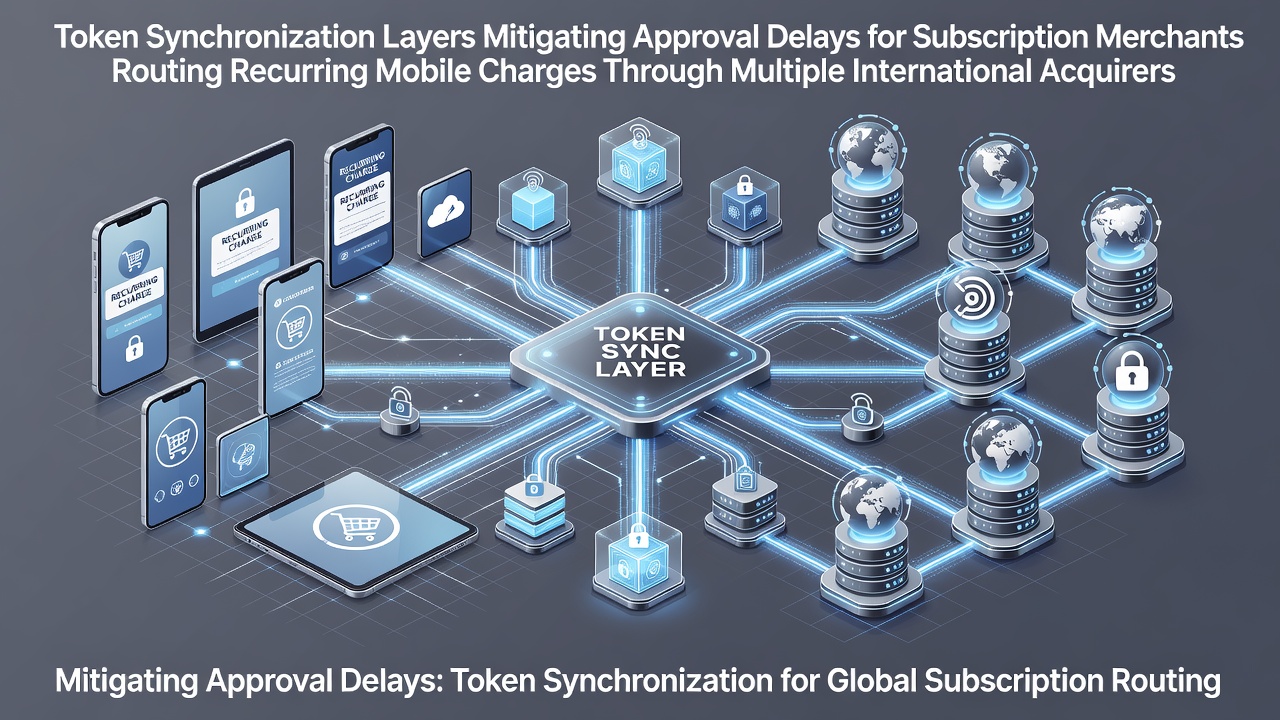
Token Synchronization Layers Mitigating Approval Delays for Subscription Merchants Routing Recurring Mobile Charges Through Multiple International Acquirers
Subscription merchants handling recurring mobile charges across borders encounter approval delays when routing transactions through multiple international acquirers, and token synchronization layers address these issues by maintaining consistent token states across networks. These layers coordinate token references so that each acquirer receives aligned authorization data without repeated validation steps that often extend processing times.
Core Mechanics of Token Synchronization
Token synchronization layers operate by establishing a shared registry that updates token credentials in real time as charges move between acquirers in different regions, and this setup reduces mismatches that trigger secondary reviews during recurring billing cycles. Data from payment processors indicates that such synchronization cuts average approval times by aligning expiration dates and security elements before the transaction reaches the next gateway.
Merchants route mobile subscription renewals through acquirers in Europe, Asia, and North America, yet without synchronization the same customer token generates separate verification requests at each point, and these redundant checks accumulate into delays that affect renewal success rates. Synchronization protocols consolidate the token metadata into a single update stream that propagates changes across all connected acquirers simultaneously.
Impact on Recurring Mobile Transaction Flows
Studies from the European Payments Council show that recurring mobile charges processed through unsynchronized systems experience approval lag periods of up to 48 hours in cross-border scenarios, whereas synchronized token layers compress these windows to under four hours in comparable test environments. The mechanism works by pre-validating token status at the synchronization node before distribution, which prevents acquirers from initiating their own full authentication sequences.
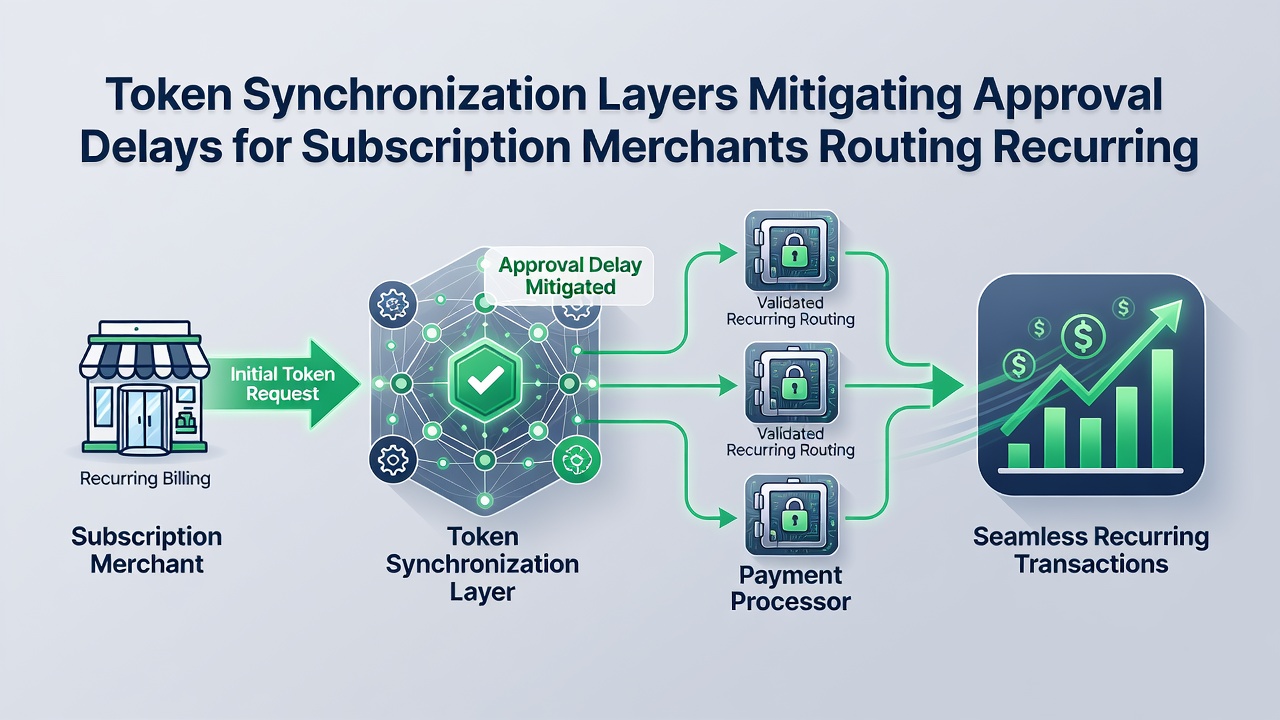
Payment networks in October 2026 report increased adoption of these layers among merchants managing high-volume mobile subscriptions, particularly those expanding into emerging markets where acquirer handoffs introduce additional compliance checkpoints. Synchronization maintains a continuous audit trail that satisfies regional data requirements without forcing merchants to pause transactions for manual reconciliation.
Integration with Existing Acquirer Networks
Acquirers maintain separate token vaults, and synchronization layers bridge these vaults through standardized API calls that exchange only necessary metadata rather than full card details, and this selective sharing lowers both latency and exposure risks during recurring charge routing. Observers note that merchants who implement these layers see fewer declines linked to token expiration mismatches across currency zones.
Research conducted by the Australian Payments Network highlights cases where subscription platforms reduced retry attempts by 35 percent after deploying synchronization, because the system flags and resolves token conflicts before they reach the authorization stage. The process relies on event-driven updates that trigger whenever a token undergoes modification at any participating acquirer.
Operational Benefits for Subscription Merchants
Merchants handling mobile subscriptions benefit from streamlined cash flow predictability when approval delays shorten, and synchronization supports this by ensuring that recurring charges clear within expected windows regardless of the number of international acquirers involved. Figures from industry reports reveal that platforms processing charges across five or more acquirers achieve the highest efficiency gains from these layers.
Token synchronization also accommodates regulatory variations by embedding region-specific compliance flags into the shared token record, and acquirers then apply only the relevant checks without duplicating efforts already completed elsewhere in the chain. This coordinated approach proves especially useful for merchants entering new markets where local rules require additional documentation.
Conclusion
Token synchronization layers provide a structured method for reducing approval delays in multi-acquirer environments by aligning token data across networks before recurring mobile charges execute, and continued deployment through 2026 demonstrates measurable improvements in transaction completion rates for subscription merchants operating internationally.